If you have ever watched a pressure washer chew up paint on a wood fence or leave zebra stripes on stucco, you already know that not every surface wants brute force. Soft washing takes a different route. It relies on low pressure paired with specialized detergents to break down organic growth and grime, then rinses it away without scarring the surface. When homeowners search phrases like house washing near me or soft washing near me, they are usually dealing with algae on siding, black streaks on the roof, or a mildewy patio that reappears every spring. I have worked on homes across the Inland Empire and neighboring valleys where the sun is relentless, irrigation overspray is a constant, and dust rides every breeze. Soft washing became my go-to because it solves problems that pressure alone cannot, and it does so with less risk.
Below are the ten practical benefits that matter most, not just in theory but in day-to-day home care. I will share what to expect, where the method shines, and where a pro may recommend a different approach. By the end, you should be able to vet the best house washing companies with sharper questions and a clear sense of value.
1. A longer-lasting clean that tackles the root cause
Mold, mildew, algae, lichen, and bacteria cling to porous surfaces. They spread in micro layers you cannot see until the color shifts from tan to green to gray. Blast them with high pressure and you often shear the visible layer, but the microscopic roots remain. That is why the grime returns quickly. Soft washing pairs low pressure with detergents tailored to break down organic growth and biofilms. When done right, the solution dwells on the surface long enough to do the real work, then rinses clean.
On concrete walkways and stucco, I usually see the clean hold for 12 to 24 months, depending on shade and irrigation. North-facing walls and roof sections that never fully dry between cool mornings tend to grow back first. A good pro will customize the mix to slow regrowth and may offer a maintenance plan that extends those intervals.
2. Lower risk for delicate surfaces and coatings
Vinyl siding, older stucco, cedar shake, painted trim, and asphalt shingles do not respond well to high pressure. Even “medium” pressure can drive water behind siding, raise oxidation chalk on painted aluminum, or strip granules from shingles. With soft washing, the pump and tip are configured to deliver water roughly at the strength of a garden shower, often 60 to 300 PSI at the surface. That is gentle enough to keep finishes intact while the chemistry does the heavy lifting.
I learned this the hard way early in my career when a well-meaning tech used too much pressure on an oxidized aluminum garage door. The result looked clean from one angle and blotchy from another because the chalk layer was partially removed. We replaced the door. Since tightening our soft washing protocols, including test patches and lower pressure caps, those mishaps vanished.
3. Better results on roofs without the damage
Roof cleaning scares people, and for good reason. High pressure can void roofing warranties and drive water under shingles. Soft washing is the industry standard for shingle roofs precisely because it avoids those risks. The goal is to remove the dark algae streaks caused by Gloeocapsa magma and the lichen that anchors to granules. A gentle application, let the solution dwell, and rinse with controlled flow. In many cases, especially on steep pitches, pros skip the aggressive rinse and let rainfall complete the process after the chemistry neutralizes the growth. That preserves granules and avoids oversaturation.


On clay or concrete tiles common in the Inland Empire, soft washing helps prevent hairline cracks from pressure shock. Tile roofs are durable but not invincible. A technician tiptoeing with a wand and 3,000 PSI is a recipe for broken tiles. Soft washing, applied from the ridge or eaves with controlled access, cleans evenly and safely.
4. Healthier home exterior and better indoor air
Organic buildup is not just an eyesore. When mildew and algae thrive on shady walls, spores become part of the air you and your neighbors breathe. I have had clients complain that the front porch always felt damp and smelled musty, especially after irrigation days. A soft wash cleared years of growth in an afternoon and, quite literally, changed the air. Allergy-prone households often notice the difference first. The side benefit is that a truly clean exterior tends to dry faster after morning dew or sprinkler overspray, making it harder for mildew to return.
5. Enhanced curb appeal with fewer harsh marks
A high-pressure wand can leave wand marks, etching patterns that only appear at sunset when the light skims across the siding. Those stripes are tough to fix. Soft washing delivers a more uniform result because the cleaning is chemical, not mechanical. Stucco, especially, benefits from chemical dwell that https://fernandoolfl654.iamarrows.com/pressure-washing-company-spotlight-why-highland-ca-trusts-local-experts releases atmospheric soot and the stubborn tan lines where irrigation water evaporates. The finish looks even from every angle, not just head-on.
For anyone preparing to sell, a soft wash can make the siding color pop and the roof look cared for without the shininess or streaks that sometimes follow a rushed pressure wash. I have seen appraisal photos that could not hide wand marks. It is a small detail that can sway a buyer’s impression.
6. Water savings compared to brute force cleaning
Pressure washing a driveway can take hundreds of gallons. That is not always a problem, but in water-conscious regions like the Inland Empire, the choice matters. Soft washing generally uses less total water because the cleaning relies on surfactants and oxidizers, not gallons per minute. On a typical 2,000 square foot exterior, I use roughly a third less water with a soft wash routine than a conventional high-pressure soap-and-blast. It also means shorter run time and less noise for neighbors.
The caveat: rinsing certain surfaces still consumes water, especially when reclaiming runoff following local regulations. A qualified provider will plan for that and use controlled flow to meet ordinance requirements.
7. Protection of landscaping with smart chemistry and technique
The biggest homeowner worry with any detergent-based cleaning is the garden. I share that concern. When I soft wash near prized bougainvillea or a herb bed, we pre-wet the plants, shield them with breathable covers when necessary, and post-rinse until runoff tests neutral. Many soaps used in soft washing are biodegradable within proper dwell times and dilution. Still, the difference between safe and sorry is technique.
If you are vetting house washing services, ask about plant protection protocols in plain terms, not just “we’re careful.” Pros should talk through pre-wetting, spray drift control, dwell time, neutralization steps, and final pH checks. It is not overkill. I have walked jobs where a single windy pass singed leaves. A small amount of preparation avoids a week of browned edges.
8. Lower long-term maintenance costs
People often compare a one-time soft wash to a one-time pressure wash and focus on the cheaper ticket that day. The better comparison is the lifecycle. Soft washing costs slightly more upfront in many markets, but because it treats the growth at its source, you schedule it less frequently. Add in the avoided repairs from pressure damage and the math leans even harder toward soft washing.
I have a client in Rancho Cucamonga with a stucco ranch. We used to rewash the north wall every six months with medium pressure. It looked fine for a couple weeks, then the ghosting reappeared. We shifted to soft washing with a biocidal agent and a longer dwell. That wall now goes 18 months between treatments. Over four years, they cut their exterior cleaning spend by roughly a third and eliminated chalky streaks that would have forced repainting early.
9. Compatibility with a wider range of materials
Soft washing plays well with vinyl, EIFS, acrylic stucco, painted wood, composite trim, PVC, and most modern coatings. It lifts soot and greasy residues from kitchen exhaust zones without smearing. It clears spider webs and wasp marks without blasting them into every crevice. On fences, it revives appearance without raising the grain, which happens quickly with pressure.
There are exceptions. Raw cedar with loose fibers, fragile historical paint, or chalking that signals coating failure may need specialty care. In those cases, a test patch tells you whether a soft wash will even out the appearance or highlight a finish ready for repainting. The good companies are honest about those trade-offs and may recommend prep and repaint rather than just cleaning.
10. Safer for people, pets, and the building envelope
Ladders plus slick surfaces plus high-pressure recoil is a recipe for accidents. Soft washing reduces the need to stand close to the surface. With the right nozzles and pumps, techs can work from the ground more often, or from secure roof anchors, using a gentle fan of solution. The physical risk goes down. The building envelope is safer too because low pressure is less likely to drive water behind weep holes, under clapboards, or into window seals.
Pet owners always ask about residues. A responsible crew keeps pets inside during application and rinsing, covers bowls and toys, and checks that runoff is fully diluted and neutral before pets return outside. The rule I give clients is simple: if you can smell a chemical strongly after we finish, we have more rinsing to do.
Where soft washing fits within house washing services
Soft washing is a method within the larger category of house washing services. A full-service company will not use one tool for every job. The driveway with oil stains might need a hot water surface cleaner and degreaser, not soft wash chemistry. The composite deck may benefit from soft washing followed by a light brush for tannin stains. Rust from irrigation on stucco might call for an oxalic acid treatment after the soft wash. The point is to match the method to the material and the stain.
If you are searching house washing near me or soft washing near me and trying to separate the pros from the pretenders, listen for details. Do they explain dwell times, dilution ratios, and post-rinse verification? Do they talk about water direction and runoff control? If all you hear is “we have strong pressure,” keep looking.
What a typical soft wash visit looks like
Scheduling a soft wash should feel straightforward. Expect a walkaround first. The technician should point out oxidation on aluminum, mildew-prone areas, and vulnerable points like failing caulk or loose fixtures. They will ask about sensitive plants and outdoor electricals. The prep phase includes moving furniture, taping outlets or camera housings, and wetting landscaping.
Application happens in sections. The solution goes on like a gentle rain, not a needle spray. Dwell times vary. In cooler conditions, cleaners work slower and may need five to ten minutes. In high heat and sun, the team works in smaller sections so chemistry does not dry on the surface. After dwell, they rinse thoroughly, often from the top down. The crew will double back for shaded corners where growth hides and will treat any rust, red clay, or tannin bleed as a second step.
At the end, a good pro will invite you to walk the property. Expect them to point out areas that improved but may show underlying paint failure or hairline stucco cracks that cleaning revealed. Cleaning does not fix structural issues, but it helps you see them clearly.
Why the Inland Empire benefits uniquely from soft washing
The Inland Empire’s climate puts a home through strange cycles. Summer heat bakes surfaces, then overnight irrigation lays a fine mist on walls and eaves. Dust from dry hillsides sticks to any damp patch. North and east sides of homes stay cool longer, which fosters algae. Soft washing answers these conditions because it breaks the film that dust, pollen, and algae use to cling, and it slows the return with residual agents that are safe at working dilutions.
Tile roofs and stucco reign here. Both prefer low pressure. I have seen brittle older tiles crack under heavy foot traffic combined with aggressive pressure. A soft wash, executed from stable positions with care around flashings, preserves those tiles and leaves the roof evenly toned. On stucco, soft washing clears the faint tan teardrops that come from hard water sprinklers and evaporative coolers. Where pressure would carve the surface texture, soft washing maintains it.
How to evaluate the best house washing companies
Not every outfit advertising soft washing services runs the same playbook. Some do not carry the equipment for true low-pressure delivery, and some rely on overly hot mixes that can cause oxidation lines or plant burn. The best house washing companies are happy to explain their approach before they ever unroll a hose.
Here is a compact checklist you can use when calling providers:
- Ask what pressure range they use for siding and roofs, and what tips or injectors they rely on to keep it low. Request a simple description of their detergent blend and whether it is tailored to algae, mold, or general grime. Confirm plant and property protection steps, including pre-wetting, covers, and post-rinse neutralization. Verify insurance, references, and whether they have handled your specific surface type recently. Discuss runoff control and local compliance, especially if your property borders a storm drain.
If a company resists those questions, that is a clue. If they answer smoothly, they likely know their craft.
Real examples from the field
A two-story home in Eastvale had deep green algae on the north wall, streaks under each window, and a halo around the AC line set. A pressure wash a year prior left faint stripes. We soft washed with a gentle biocidal mix at low pressure, paid extra attention to the window weeps, and rinsed with a wide fan. The stripes disappeared because we cleaned the entire plane evenly, not with a line-by-line pass. Twelve months later, we returned for a quick maintenance wash of shaded areas only. The rest remained clean.
Another case in Upland involved a 15-year-old composition roof with heavy black streaking. The owner feared replacement. We recommended a roof soft wash, splitting the roof into quadrants to control dwell. No heavy rinse, just a controlled application and a light follow-up mist. Rains two weeks later finished the job. The roof looked five years younger, and a roofing inspector confirmed granules remained intact. Replacement was pushed back, possibly by a decade.
On the cautionary side, I visited a property where the homeowner hired a handyman to pressure wash a painted fascia. The painter had warned them that the paint was original and chalking. High pressure drove water under the fascia boards and into the soffit vents. They ended up with peeling paint and a small interior stain. Soft washing would have cleaned without forcing water inward, though a repaint was due either way.
Pairing soft washing with other home care
Soft washing is one piece of the exterior maintenance puzzle. You will get more mileage if you pair it with gutter cleaning and basic caulk inspection. Clear gutters prevent roof overflow lines on stucco. Sound caulking around windows stops weep trails that attract grime. If you have recurring irrigation overspray, a simple nozzle change or timer tweak can cut the buildup you fight every season.
When scheduling, avoid the hottest hours. In the Inland Empire, I often set summer appointments early morning. Cooler surfaces hold dwell evenly and reduce the chance of flash-drying soaps. If you need to soft wash near a freshly painted area, give latex paints at least two weeks of cure time in warm weather, longer if shaded or humid.
Costs, frequency, and what “near me” really buys
Pricing varies by region and complexity, but for a typical single-family home, soft washing the exterior walls often sits in the mid hundreds, roof cleaning higher due to access and safety, and bundled packages offering better value than piecemeal work. If a quote seems too low, ask which steps they skip. Plant protection and thorough rinsing take time and skill.
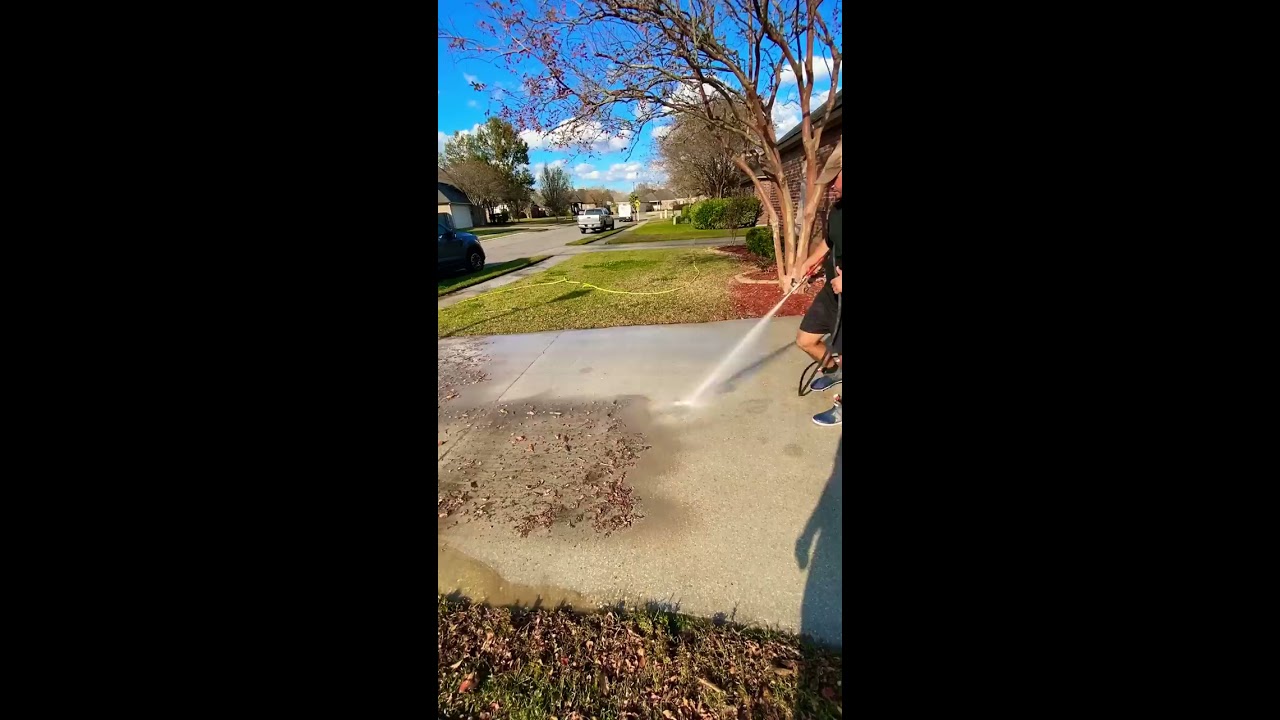
As for frequency, most homes benefit from a wall soft wash every 12 to 24 months, roofs every 2 to 4 years, and spot treatments on shaded sides in between. Homes under dense trees or with heavy irrigation exposure may need a shorter cycle. When you search soft washing near me, the real advantage of hiring local is familiarity with our water hardness, wind patterns, and typical building materials. A neighborhood pro knows which blocks collect dust from open fields and which developments used more delicate elastomeric coatings. That knowledge shows up in better decisions on the job.
When pressure washing is still the right call
There are times when pressure is the correct tool. Deeply stained concrete, heavy moss between pavers that need re-sanding, or flaky loose paint before a repaint can justify controlled higher pressure. Even then, a hybrid approach often wins: pre-treat with a soft wash mix, then rinse or surface-clean with moderate pressure. You use less force overall and get a cleaner, more uniform result.
The point is not to make pressure washing the villain. It is to choose deliberately. If a contractor insists every surface requires 3,000 PSI, keep interviewing.
Final thoughts from the field
Soft washing grew from a simple idea: let chemistry do what force cannot. The benefits stack up in real life. You get a longer-lasting clean, fewer repair risks, and better curb appeal without chew marks. In the Inland Empire’s blend of heat, dust, and irrigation, that approach fits the environment. When you search house washing near me, look for providers who treat soft washing as more than a buzzword. Ask the good questions, expect careful prep, and insist on even results across the whole surface.
If you pick well, your walls will stay brighter, your roof healthier, and your yard as lush as ever. And the next time the afternoon sun slides across your siding, you will not see stripes. You will see a smooth, quiet clean that holds through seasons, not just weekends.
ABM Window Cleaning
6341 Pumalo Ct, Highland, CA 92346
(951) 312-1662
At ABM Window Cleaning, we don’t just soft wash homes—we brighten lives.
From homes to businesses, we bring light back into your spaces, whether through sparkling windows, clean gutters, or solar panels working at their best.
Our work is about more than clean surfaces; it’s about how you feel when you see them shine.
Every day, we’re grateful for the chance to serve, and we can’t wait to bring that brightness to you.